Use effective email marketing ideas to boost engagement and conversions through welcome sequences, abandoned booking reminders, and exclusive flash sales. Strengthen these campaigns with customer content, helpful guides, and personalized birthday or loyalty rewards.
Attractions Marketing Pros helps attraction businesses plan targeted emails that support bookings, repeat visits, party sales, and stronger customer relationships.
Why Email Marketing Ideas Matter for Attraction Businesses?
Good email marketing ideas help attraction businesses stay in touch with past guests and future visitors. Email gives you a direct way to share useful news and timely offers.
Keep Guests Informed
You can use email to promote open booking times, birthday party packages, and group events. You can also share new attractions, special activities, and seasonal updates. These messages help guests learn what is available before they plan a visit. Social media can support this work, but followers may not see every post. Email gives you another simple way to reach interested people.
Encourage More Visits
The best email marketing ideas can remind past guests to return. You can promote slower sessions, send membership renewal notices, and share rewards for loyal visitors. Email marketing ideas for small business owners should stay clear and useful. Each message should focus on one goal and one next step.
There are many ideas for email marketing, but not every one will fit your business. Choose marketing email ideas that match your guests, schedule, and services. An attraction marketing agency can help you plan these campaigns. The right support can make each email easier to manage and more useful for your audience.
30 Email Marketing Ideas for Attraction Businesses
The right email marketing ideas can help attraction businesses stay connected with guests before and after each visit. Some emails promote bookings, while others share useful information or build trust. Automated emails start when a customer takes an action or reaches a set date. For example, a guest may join your list or leave a booking unfinished. A birthday or membership renewal can also start an email.
Not every message should focus on sales. Helpful tips, guest stories, and local guides can keep your audience interested. Clear promotions can then support bookings when the time is right.
1. Multi-Step Welcome Email Series
A welcome series helps new subscribers learn about your attraction. It can include three short emails sent over several days. The first email should introduce your business and explain what guests can enjoy. Share your main activities, location, and booking options.
The second email can highlight popular experiences. You may also include real reviews or guest photos with permission. The third email should include one clear booking action. Invite the reader to view tickets, party packages, or available sessions. You do not always need to offer a discount. Helpful information and a strong first impression can also encourage bookings.
2. Incomplete Booking Reminder
Some guests start a booking but leave before payment. A friendly reminder can help them return and finish the process. Include the selected date, time, or experience when your booking system provides those details. Add a clear link that takes them back to checkout.
Keep the message calm and helpful. Avoid false claims about limited spaces or expiring prices. You can also offer help if the guest had questions. Include a phone number or contact link when possible.
3. Browse Follow-Up Email
A browse email reaches people who viewed an important page but did not book. They may have visited a party, membership, or attraction page. This email should feel softer than an incomplete booking reminder. The reader may still be learning about the experience.
Answer common questions about the activity, booking steps, or visit. You can also link to reviews or a helpful guide. Do not pressure the reader. Focus on removing doubt and making the next step easier.
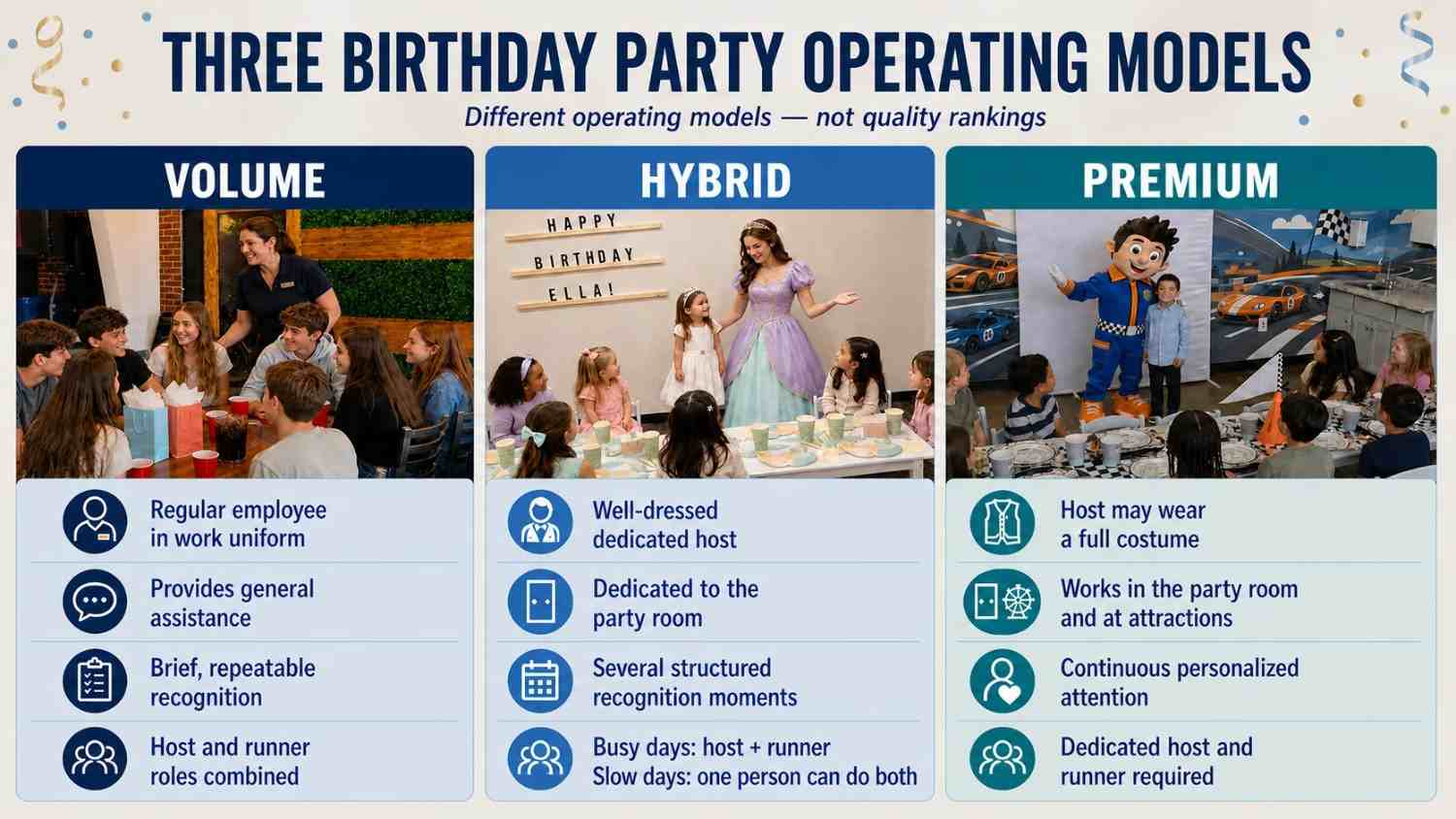
4. Birthday Party Inquiry Follow-Up
Parents may request party details without booking right away. A short email series can keep your attraction in their plans. The first email can explain the available party packages. Only include prices and details that your business has confirmed.
The next email can answer common questions. You may cover food, guest limits, booking times, waivers, or party room use. A final email can explain the booking steps. Include one clear link or contact option. You can also mention available upgrades when they apply. Keep the message simple so parents can compare choices with ease.
5. Group Event Lead Nurture Series
Group event emails can support schools, companies, sports teams, churches, and community groups. The first email can explain which groups your attraction serves. It can also share basic information about group size and available activities.
The next message may cover planning steps. Include booking lead times, arrival details, food options, and payment rules when verified. Another email can explain the value of the experience. Focus on shared fun, teamwork, and easy planning. Not every lead will book. However, clear information can help interested groups make a more informed choice.
6. Pre-Visit Information Email
A pre-visit email helps guests prepare before arrival. It can also reduce common questions at the front desk. Include the arrival time, parking details, and check-in steps. You may also mention clothing, socks, waivers, or safety rules.
Only include facts confirmed by the attraction. Do not copy rules from another venue. Send the email close enough to the visit so guests remember the details. Avoid adding too many offers or extra links. The main goal is to make the visit easier.
7. Post-Visit Thank-You Email
A thank-you email shows guests that you value their visit. It also creates a natural next step after the experience. Thank the guest in a warm and direct way. You can invite them to leave feedback or share a review.
You may also link to event photos when available. Another option is to suggest a future visit or related activity. Keep the email focused. Too many offers can weaken the thank-you message. One clear action is often enough.
8. Customer Win-Back Campaign
A win-back email reaches guests who have not returned for some time. The goal is to remind them why they enjoyed the attraction. Share a short update about new activities, improved spaces, or upcoming events. You may also offer a relevant return deal.
Avoid wording that makes the guest feel guilty. Keep the message positive and welcoming. You can also ask what would make them visit again. Their answers may help improve future campaigns.
9. How-to and Planning Guides
Useful guides can help guests plan a smoother visit. They also give you more reasons to send helpful emails. You could share a birthday party checklist. Another option is a guide for planning a school or company outing.
First-time visitor guides can also work well. They may explain what to bring, when to arrive, and what to expect. These guides should answer real questions. Keep each step short and easy to follow.
10. Attraction Spotlight Emails
An attraction spotlight email focuses on one activity or experience. Explain what the attraction includes and who may enjoy it. You can mention families, teens, groups, or first-time guests.
Share simple details about the setting and general experience. Do not invent game titles, rules, or age limits. Use real photos when possible. Add a direct link to the correct booking or information page.
11. Frequently Asked Question Emails
A question-based email can answer one common concern at a time. You may explain booking changes, waiver rules, food options, or group planning. Choose questions your team hears often.
Use the question as the subject or main heading. Then provide a clear answer in a few short paragraphs. Link to a full FAQ page when more details are available. These emails are easy to read and useful for new guests.
12. Safety and Preparation Tips
Safety emails help guests prepare for their visit. They can also reduce confusion before check-in. Explain what guests should wear or bring. You may also cover arrival times, waivers, or activity rules.
Use only verified safety information from your business. Keep the wording calm and clear. Avoid language that may create fear. The goal is to help guests feel ready and informed.
13. Behind-the-Scenes Emails
Behind-the-scenes content can show the care that goes into each guest experience. You may share how your team prepares party rooms or checks attraction areas. You can also show seasonal decorations or event planning.
Do not reveal private systems, security details, or unsafe work steps. Focus on the people and effort behind the experience. This type of email can help your business feel more personal.
14. Staff Introduction Emails
Staff emails help guests become familiar with your team. Introduce one employee and explain their role. You may share how they help guests, plan events, or support safe play.
Keep personal details limited and appropriate. Get permission before sharing photos or stories. These emails can build trust. They also show the human side of your attraction.
15. Customer Story and Review Emails
Real guest stories can help future visitors understand the experience. Feature a review, party story, or group visit. Always ask for permission before using names, photos, or detailed comments.
Do not create fake reviews. Do not change the meaning of customer feedback. Add a clear link to the related attraction or booking page. Keep the story short and honest.
16. Local Activity Guides
A local guide can help guests plan a full day near your attraction. You may feature nearby restaurants, parks, hotels, or family activities. These guides can support visitors from outside the area.
Check every business and event before publishing. Details can change over time. You may also create seasonal guides for school breaks or local events. Keep the list useful and easy to scan.
17. Limited-Time Flash Sale
A flash sale can create quick interest when it has a real deadline. Explain the offer, who can use it, and when it ends. Include one direct booking link. Do not send too many reminders. One launch email and one final reminder may be enough.
Use honest wording. Avoid fake countdowns or false claims about demand. The offer should support a clear business goal.
18. Slower-Day Booking Offer
Some days or times may have more open space. Email can help you promote those booking periods. Offer a clear reason to visit during the quieter time. You may feature easier planning, more choice, or a special package.
Do not call the time unpopular. Use positive language that highlights the guest benefit. Send the message to people most likely to respond. Families, homeschool groups, or flexible workers may be good examples.
19. Last-Minute Availability Email
A last-minute email can promote open sessions, party rooms, or group times. Only send this campaign when real availability exists. Include the exact date and booking details.
Keep the email short. Guests need to understand the offer at once. Add one clear booking link. Avoid using false urgency or unclear deadlines. This campaign works best with people who already know your attraction.
20. New Attraction or Experience Launch
A new experience gives you several chances to contact your audience. Start with a teaser email that creates interest. Share only enough information to build curiosity.
The launch email should explain the experience and who may enjoy it. Include real photos and confirmed details. A reminder email can follow later. It may answer common questions or share early guest feedback. Keep each message focused on one stage.
21. Holiday and Seasonal Campaign
Seasonal emails can support school breaks, summer plans, Halloween, and winter holidays. Share activities that match the season. You may also promote extended hours, events, or group packages.
Only mention events your attraction truly offers. Do not assume every business runs holiday programs. Send the email early enough to help guests plan. Add a reminder closer to the date when needed.
22. Gift Card Campaign
Gift card emails can support birthdays, holidays, and last-minute gifts. Explain how customers can buy and use the card. Include any terms that guests need to know.
Do not invent expiration dates or gift card rules. Use only confirmed information. You can also show who may enjoy the gift. Families, friends, teens, and coworkers may be possible examples. Keep the buying process simple.
23. Party and Group Booking Promotion
Party emails can reach parents, schools, companies, and community groups. Explain the main experience and planning steps. Focus on how your team can make the event easier to arrange.
Share confirmed package details and group options. Do not hide important limits or rules. Use separate messages for different group types. A school has different needs from a company event. Clear messages often perform better than broad offers.
24. Birthday Reward Email
A birthday email can give guests a reason to return. Only use birthday information collected with permission. Send the message before the date so the guest has time to plan.
The email may include a reward, offer, or simple birthday message. Use only terms confirmed by the business. Make the booking steps clear. Avoid sending the email after the birthday has passed.
25. Customer Milestone Email
A milestone email can celebrate an important customer date or action. Examples include a membership date, visit count, or booking anniversary. Only use details your system tracks correctly.
Thank the customer and explain why the milestone matters. You may also include a relevant reward. Keep the message warm and personal. Do not claim a milestone without reliable data.
26. Member and VIP Update
Member emails should provide clear value. Share member events, booking access, benefits, or schedule changes. You may also remind members about renewal dates.
Keep important updates near the top. Do not hide service changes under promotional content. Segment these messages so only members receive them. This makes the email more useful and relevant.
27. Referral Campaign
Referral emails invite current guests to recommend your attraction. Explain how the process works in simple steps. State who receives the reward and when it applies.
Do not invent reward amounts or unclear terms. A good referral email should make sharing easy. Add a direct link, code, or simple form when available. Trust grows when the rules are clear.
28. User-Generated Content Campaign
Guest photos and videos can make your emails feel more real. Invite customers to share their visit stories. Explain how they can send the content and where it may appear.
Always get permission before using customer content. Take extra care with photos of children. You can feature selected content in newsletters or social posts. Give proper credit when the guest agrees.
29. Customer Survey Email
A short survey can help you learn what guests liked and what needs work. Ask simple questions about the booking process, visit, staff, or future interests. Keep the survey short.
Explain how the feedback will help your team. Do not ask for details you do not need. Survey results can guide future marketing email ideas and service changes.
30. Local Partnership Email
A partnership email can feature a school, nonprofit, hotel, restaurant, or local event. Explain why the partner may be useful to your guests. Keep the connection relevant to the visit.
Be clear when the message includes a paid partnership. Do not present an advertisement as a neutral review. Check all details before sending. This includes dates, locations, and offer terms.
Choosing the Right Campaigns
The best email marketing ideas match your audience and business goals. You do not need to launch all 30 campaigns at once. Start with a welcome email, booking reminder, pre-visit email, and thank-you message. These campaigns support key points in the guest journey.
Many email marketing ideas for small business owners can run through simple tools. Begin with a small plan and improve it over time. Your wider marketing plan may also include AI SEO for attractions. This can help more people find your website through search.
You may also use PPC & Google Ads for attractions to reach people who are ready to book. Email can then help those visitors return. The right ideas for email marketing should make each guest action easier. Clear messages, useful information, and honest offers can build long-term trust.
How to Improve Your Marketing Email Ideas?
Strong email marketing ideas work best when each message has a clear purpose. Small changes can make your emails easier to read and use.
Send the Right Message
Divide your email list into smaller groups. This process is called segmentation. You may group people by past visits, interests, bookings, or membership status. Segmentation helps you send useful messages to the right people. This is important when using email marketing ideas for small business campaigns. Choose one main goal for each email. You may want readers to book, renew a membership, or view an event.
Keep Emails Clear and Simple
Write a short subject line that matches the email. Avoid false claims or wording that may confuse readers. The best email marketing ideas also use simple designs. Make sure each email works well on phones and tablets. Add one strong call to action. Too many buttons can make the next step unclear.
Test and Improve Each Campaign
Test one change at a time. You can test the subject line, image, message, or booking button. No subject line will work for every audience. Review your results before making more changes.
Remove invalid and inactive email addresses. Make the unsubscribe link easy to find. Send emails at a steady pace that fits your audience. These ideas for email marketing can also support marketing email ideas linked to SEM for attractions.
Grow Your Attraction With Smarter Email Campaigns!
Use practical email marketing ideas to reach more guests, increase bookings, and encourage repeat visits. Attractions Marketing Pros can help you plan clear emails that match your audience and business goals. Contact us today to build an email strategy that supports long-term growth.
FAQs
What are the best email marketing ideas for attractions?
The best email marketing ideas include welcome emails, booking reminders, party offers, event updates, and post-visit messages. Each email should match one clear goal. Focus on useful information, simple wording, and one strong action that helps guests book or return.
How often should an attraction business send emails?
There is no fixed schedule that works for every business. Send emails often enough to stay visible without overwhelming subscribers. A steady monthly plan may work well for many attractions. Extra emails can support holidays, events, new experiences, or open booking times.
Which marketing emails should be automated?
Welcome emails, incomplete booking reminders, pre-visit details, birthday messages, and post-visit thank-you emails work well as automated campaigns. These messages start after a customer action or date. Automation helps your team stay consistent while giving guests useful information at the right time.
How can a small business grow its email list?
Useful email marketing ideas for small business growth include website sign-up forms, booking checkboxes, event registrations, and loyalty programs. Always ask for clear permission before adding someone. Explain what subscribers will receive, such as updates, offers, planning tips, or new attraction news.
How can email marketing increase attraction bookings?
Email can remind guests about open times, parties, group events, memberships, and seasonal activities. Clear messages help readers understand what is available and how to book. Results may improve when businesses segment their audience, use direct booking links, and send relevant offers.