For growing attractions, seasonal marketing strategies align promotions, content, and brand messaging with specific holidays, cultural events, or changing weather patterns throughout the entire year.
Attractions Marketing Pros helps attraction owners apply these campaigns to seasonal demand, guest interests, booking goals, and local market opportunities.
Why Seasonal Marketing Matters for Attractions
Advance Bookings
Attraction owners can use seasonal marketing strategies to ask guests to book early. An early offer gives families more time to plan. It also helps you plan staff, supplies, and open time slots.
More Guest Visits
A fun seasonal deal gives local families a reason to visit. Clear dates help guests choose the best day. A strong offer can also bring more people to your website and booking page.
Slow-Season Sales
A weekday deal can fill open spots during slow months. You can offer group rates, family packs, or special events. These offers may bring in more sales when demand falls.
Peak-Season Demand
A well-timed campaign can share your best offer before busy dates. Early ads help more guests find your event. Simple booking steps can also turn that interest into paid visits.
Repeat Visits
A return deal gives past guests a good reason to come back. You can send the offer by email or text. A clear end date may help guests plan the next visit.
Local Reach
A local event can put your name before nearby families. Social posts can share your offer with more people. Helpful local content also builds trust in your town.
Smarter Ad Spending
A clear plan helps you spend more on key dates. Booking data shows which ads bring the best results. You can then pause weak ads and put more money into strong ones.
Build Your Seasonal Marketing Calendar Early
Review Last Year’s Results
Start each major campaign three to six months early. This gives you time to study past results and fix weak plans. Use seasonal marketing strategies to find which past offers worked best. You can also use this data to plan your staff, ads, and budget.
- Website traffic: Check how many people viewed each campaign page.
- Booking volume: Count how many bookings each campaign brought in.
- Conversion rate: See how many site visitors made a booking.
- Revenue: Add the total sales from each campaign.
- Ad costs: Compare your ad spend with bookings and sales.
- Email results: Review email opens, link clicks, and bookings.
- Offer use: Count how many guests used each promo code.
- Top offers: Find the deals that brought the most sales.
Map Key Dates
Mark federal holidays and key dates from local school calendars. Add spring break, summer vacation, Halloween, Thanksgiving, Christmas, and New Year’s. Your list should also show local festivals, busy tourist seasons, and common weather shifts. Use seasonal marketing strategies to plan each ad, post, and offer before demand grows. Guests may book weeks before an event, so start each campaign early.
Rank Each Opportunity
Attraction owners can use seasonal marketing strategies to rank each event by its value. A clear rank also helps you focus your time and money. Your attraction does not need to promote every holiday. Too many campaigns can waste money and place stress on your staff.
- Tier 1, Major sales times: Focus on dates that bring the most bookings and sales.
- Tier 2, Key local events: Choose events that match your area and ideal guests.
- Tier 3, Small social events: Use fun dates for simple posts and light offers.
Choose Seasons and Events That Fit Your Audience
Match Your Guests
Choose seasons and events that your guests care about. Good seasonal marketing strategies match each event with your guests and brand. A water park can plan a summer splash day. An escape room can run a fun Halloween game. Each event should also fit the style of your attraction.
Check Your Team and Space
Check your staff, space, tools, and open times before you plan an event. Make sure your team can serve each guest well. A small skating rink may host a winter party. A large theme park may have space for a full holiday show. Your venue should also keep each event safe and fun.
Weigh Costs and Sales
Count the cost of staff, ads, tools, and supplies. Smart seasonal marketing strategies compare this cost with the sales you may earn. Work out how many guests may book before you spend money. A trampoline park may test a low-cost weekday pass. An axe-throwing venue may offer a group deal.
Seasonal Marketing Strategies That Increase Bookings
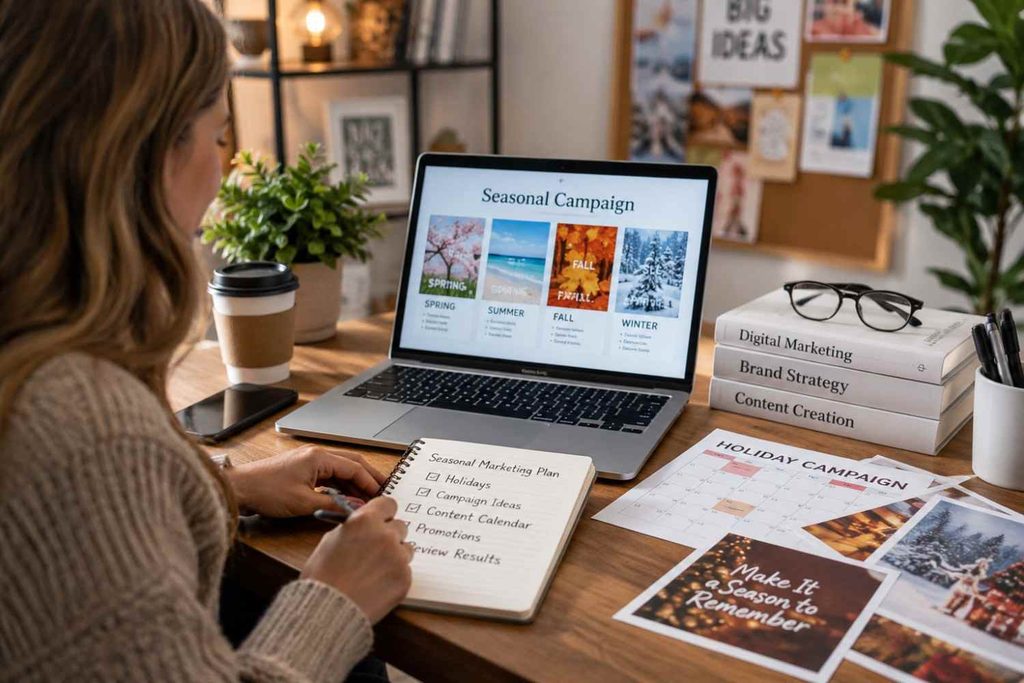
Good offers can help guests choose a date and book with less doubt. Well-timed Google ads for attractions can also help more people find each seasonal offer. Keep each deal clear, useful, and easy to buy.
Create Seasonal Packages
Clear seasonal marketing strategies can turn one visit into an easy deal. Set one price and show what guests get. Keep the deal open for a short time. This limit can help guests act while the offer fits current plans.
- Themed package: Match the deal with a holiday or season.
- Group bundle: Give one fair price for a set group size.
- Birthday offer: Add food, drinks, games, or party space.
- Family pass: Let one family enjoy several visits or activities.
Use Honest Urgency
Honest seasonal marketing strategies use real dates and real limits. Show the last day to book and the number of open spots. Share the event date and booking cutoff as well. Never claim an offer will end if you plan to keep it open.
Launch Seasonal Events
Give guests a fresh reason to visit during each season. Pick an event that suits your space, team, and main guests. Good influencer marketing for attractions can also help nearby families learn about each event.
- Escape rooms: Add a fun holiday story or new game theme.
- Trampoline parks: Host a glow jump night during school breaks.
- Axe-throwing venues: Run a winter league or group match.
- Roller-skating rinks: Plan a costume skate or holiday party.
- Indoor playgrounds: Hold a rainy-day play event for young kids.
- Water parks: Offer a summer night swim or family day.
Reward Early Bookings
Early seasonal marketing strategies can help you plan for busy dates. Offer a small perk for guests who book soon. Early sales show how many guests may come. This count also helps you plan staff, food, space, and supplies.
Offer Gift Cards
Gift cards make simple gifts for holidays and birthdays. Local firms can also use them as staff rewards. Sell set cash amounts or full family trips. A buyer can then choose a gift that fits any budget.
Create Group Offers
Create clear deals for school trips, sports teams, work events, and local groups. Show the group size, price, time, and included items. One group leader can book for all guests. This simple process can save time and cut stress.
Bring Guests Back
Smart seasonal marketing strategies give guests a reason to return. Give each guest a return coupon after the visit. Good email marketing for attractions can share new events and return deals with past guests. A points plan can also reward each new booking.
Promote Your Seasonal Campaign Across Every Channel
Use the same offer, price, dates, pictures, and words on each channel. A clear message helps guests know what to expect. It can also build trust and make each ad easy to recall.
Update Your Website and Landing Pages
Strong seasonal marketing strategies use a page made for each season. Show clear prices, event dates, and a large booking button. Add answers to common guest questions. Make the page fast and easy to use on phones. Add your city name to help with local search. Track page views, clicks, and bookings.
Use Seasonal Email and SMS Campaigns
Send an early email to share the event. Launch the offer next with a clear price and booking link. Share a short reminder before the event. Send a final text before booking ends. Follow each visit with a thank-you note and a new offer.
Plan Seasonal Social Media Content
Show guests how your team gets ready for each event. Post short videos, event previews, and guest reactions. Use a countdown to build interest as the date gets near. Ask each guest for permission before you share a photo or video.
Support Key Campaigns With Paid Advertising
Well-planned seasonal marketing strategies use paid ads to reach the right guests. Use search ads when people look for local fun. Use social ads to share event photos and videos. Show more ads to past site visitors. Set a clear budget and track each paid booking.
Create Search-Friendly Seasonal Content
Keep each useful seasonal page live all year. Post the page before guest demand starts to rise. Use key search words in a clear and natural way. Add links from other pages on your site. Share helpful facts about the event. Update dates, prices, and offers each year.
Build a Year-Round Seasonal Marketing Plan
Make a Plan You Can Repeat
A clear yearly plan turns one good idea into a system you can use again. Strong seasonal marketing strategies set dates, tasks, goals, and costs for each event. This plan also helps you save past results and use each lesson next year.
Follow Five Simple Steps
At Attractions Marketing Pros, we use one clear process for each campaign. Our digital marketing agency team keeps each step easy to track. This process helps us move from a first idea to guest care after the event.
- Discover and diagnose: We study your venue, guests, market, and past results.
- Strategize and plan: We choose your goals, dates, offers, channels, and budget.
- Build and launch: We make your pages, ads, emails, posts, and booking steps.
- Optimize and scale: We track bookings, test each part, and support what works.
- Nurture and retain: We send helpful follow-ups and invite past guests to return.
Learn and Improve Each Year
Use seasonal marketing strategies to make each new campaign easier to plan. Track your costs, bookings, sales, and guest visits. Review all results once the campaign ends. Small changes can also help you build a stronger plan for the next season.
Ready to Make Every Season Count?
Attractions Marketing Pros builds seasonal marketing strategies that help your attraction reach more guests and gain bookings. Contact us today to plan your next campaign.
FAQs
What is seasonal marketing?
Seasonal marketing strategies use holidays, school breaks, weather, and local events to guide ads and offers. Each campaign gives guests a timely reason to visit.
How early should I plan a seasonal campaign?
Plan a large campaign three to six months before the event. This gives you time to set prices, make content, run ads, and plan staff.
What seasonal offers can attractions use?
Attractions can offer family passes, gift cards, group deals, early booking perks, and themed events. The best offer should fit your guests, venue, and budget.
Can seasonal marketing help during slow months?
Seasonal marketing may bring more guests during quiet times. Try weekday deals, local events, school trips, birthday packages, or special offers for past guests.
Which results should I track?
Track website visits, bookings, sales, ad costs, and offer use. You should also review email clicks and repeat visits. Use this data to improve future campaigns.